
Diet Planning 101: Crafting the Perfect Meal Plan for Your Fitness Goals


Understanding Your Fitness Goals
When embarking on a journey to improve your fitness, the first step is to clearly define your goals. Are you aiming to lose weight, build muscle, or increase endurance? Each goal requires a different dietary approach. Understanding your objectives will guide the rest of your meal planning process.

Calculating Your Caloric Needs
To craft an effective meal plan, it’s essential to calculate your daily caloric needs. This can be done using the Basal Metabolic Rate (BMR) and Total Daily Energy Expenditure (TDEE). These calculations will help you determine how many calories you need to consume daily to reach your fitness goals.
Using BMR and TDEE
Your BMR represents the number of calories your body needs at rest, while your TDEE accounts for physical activity. Combine these to understand your daily caloric requirements. If your goal is weight loss, aim for a caloric deficit. Conversely, if you wish to gain muscle, a caloric surplus is necessary.

Balancing Macronutrients
Macronutrients—proteins, carbohydrates, and fats—are vital components of your diet. Each plays a different role in your body’s function and achieving your fitness goals. A balanced approach to macronutrients can enhance your performance and results.
Setting Macro Ratios
Depending on your goals, adjust your macronutrient ratios. For muscle gain, increase protein intake, while for endurance, carbohydrates are crucial. Healthy fats are essential for overall well-being and should not be neglected.
Designing Your Meal Plan
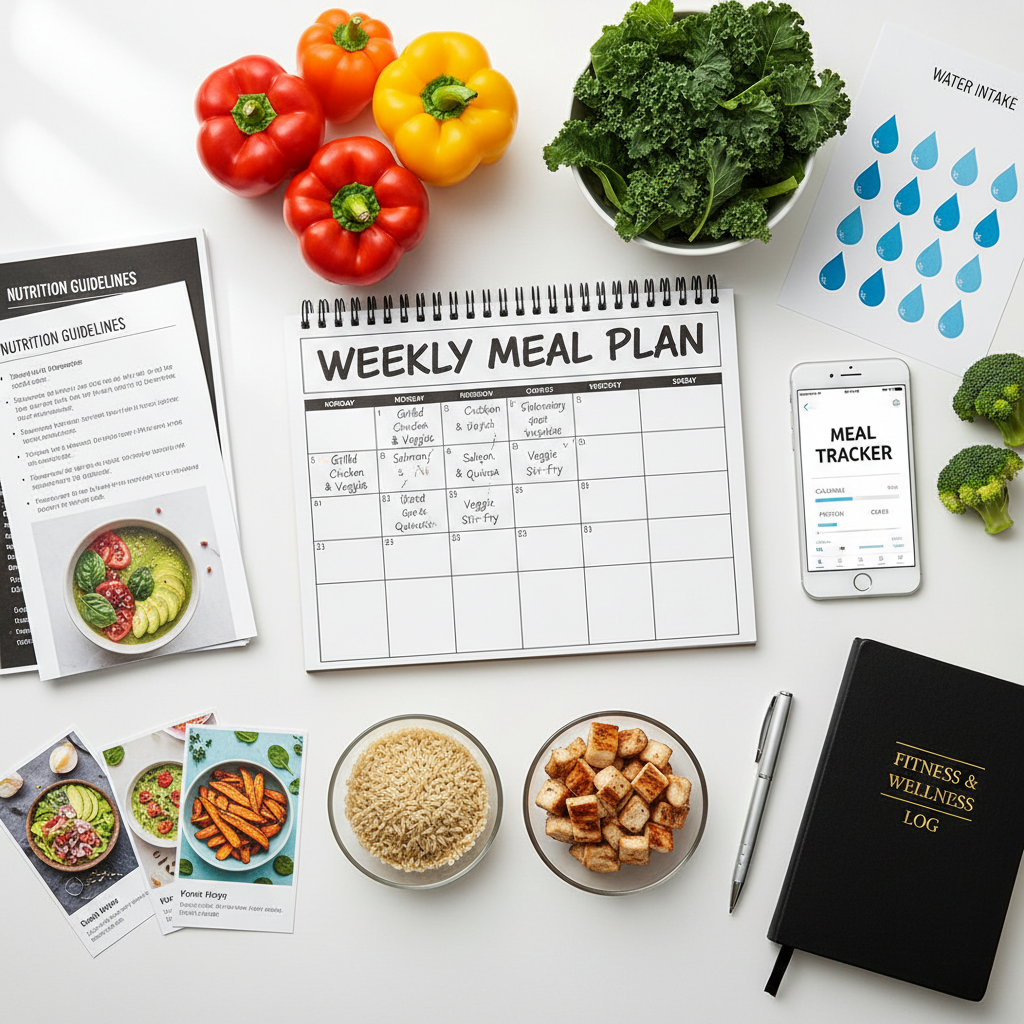
Once you understand your caloric needs and macronutrient ratios, it's time to plan your meals. Focus on whole, nutrient-dense foods that will fuel your body effectively. Incorporate a variety of foods to ensure you receive all necessary vitamins and minerals.
Meal Timing and Frequency
Consider how often you eat and the timing of your meals. Frequent, smaller meals can help maintain energy levels, while intermittent fasting may suit others. Listen to your body and adjust as needed to find what works best for you.
Staying Consistent and Flexible
The key to a successful diet plan is consistency. However, flexibility is also crucial. Life can be unpredictable, and it’s important to adapt your plan as required without straying too far from your goals.

Tracking Progress
Regularly monitor your progress to see if your meal plan is effective. Adjust portions or food choices based on your results. Use tools like food diaries or apps to keep track of your intake and achievements.
Conclusion
Crafting the perfect meal plan for your fitness goals is a dynamic process that requires understanding your needs, balancing nutrients, and staying adaptable. With the right approach, you can fuel your body efficiently and achieve the results you desire. Remember, the journey to fitness is as much about enjoying the process as it is about reaching the destination.