
Diet Planning Essentials: Tailoring Nutrition for Body Transformation


Understanding Your Goals
Before diving into a diet plan, it's crucial to understand your specific body transformation goals. Are you aiming to lose weight, gain muscle, or simply maintain a healthy lifestyle? Each goal requires a different nutritional approach. Defining your objectives will guide your dietary choices and help you stay focused.

Assessing Your Current Diet
Take a close look at your current eating habits. Identify any unhealthy patterns or nutritional gaps. This step is essential for creating a successful diet plan. Consider keeping a food diary for a week to track what you eat and drink. This will provide valuable insights into your dietary habits.
Identifying Nutritional Needs
Once you have a clear picture of your eating habits, determine your specific nutritional needs. This involves calculating your daily caloric requirements based on factors like age, gender, activity level, and fitness goals. Utilize online calculators or consult a nutritionist for accurate assessment.
Building a Balanced Diet Plan
A successful diet plan revolves around balance. Ensure your meals include a mix of macronutrients: carbohydrates, proteins, and fats. Each macronutrient plays a unique role in the body, supporting energy levels, muscle growth, and overall health. Aim for a diet rich in whole foods like fruits, vegetables, lean proteins, and whole grains.
Incorporating Variety
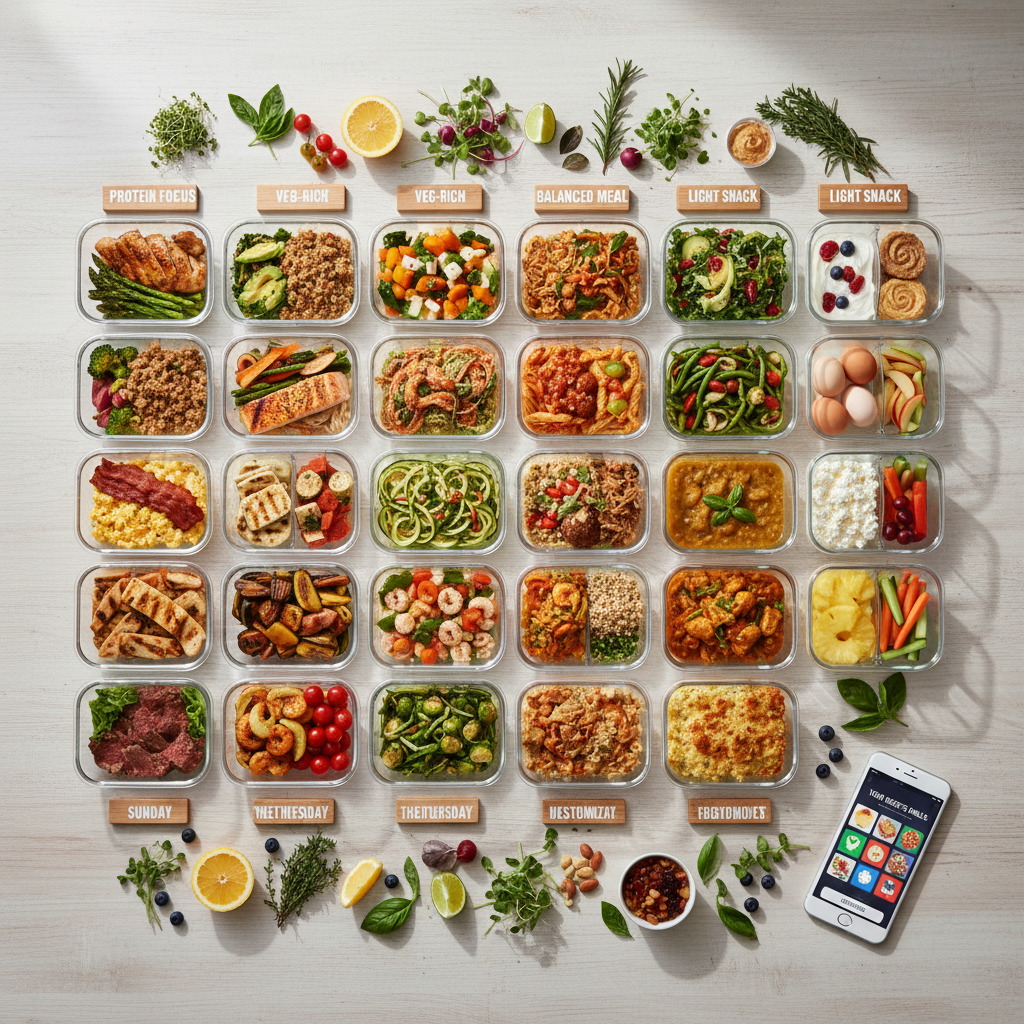
Variety is key to preventing diet monotony and ensuring you get a full spectrum of nutrients. Experiment with different foods and recipes to keep your meals exciting. This not only enhances your intake of essential vitamins and minerals but also makes sticking to your diet more enjoyable.
Meal Planning and Preparation
Effective meal planning can significantly enhance your diet success. Set aside time each week to plan your meals, focusing on incorporating the foods that align with your nutritional goals. Consider preparing meals in advance to avoid the temptation of unhealthy convenience foods.
Portion Control
Even healthy foods can contribute to weight gain if consumed in large quantities. Practice portion control to ensure you're eating the right amounts for your body. Use measuring cups and scales to familiarize yourself with appropriate serving sizes.

Hydration and Its Role
While often overlooked, hydration is a critical component of any diet plan. Water supports digestion, nutrient absorption, and overall bodily functions. Make sure to drink adequate water throughout the day, adjusting your intake based on activity level and climate.
Monitoring Progress and Adjustments
Regularly assess your progress to determine if your diet plan is effective. This can be done through tracking changes in weight, body measurements, or overall energy levels. Be prepared to make adjustments as needed to continue progressing toward your goals.