
How to Choose the Right Fitness Trainer for Your Goals


Understanding Your Fitness Goals
Before you start looking for a fitness trainer, it's crucial to define your fitness goals. Are you aiming to lose weight, gain muscle, improve endurance, or prepare for a specific event? Each goal requires a unique approach, and understanding what you want to achieve will help you find a trainer who specializes in that area.
Once you have a clear vision of your goals, you can begin your search for the right trainer. This process involves assessing trainers' qualifications, experience, and compatibility with your fitness objectives.
Researching Trainer Qualifications
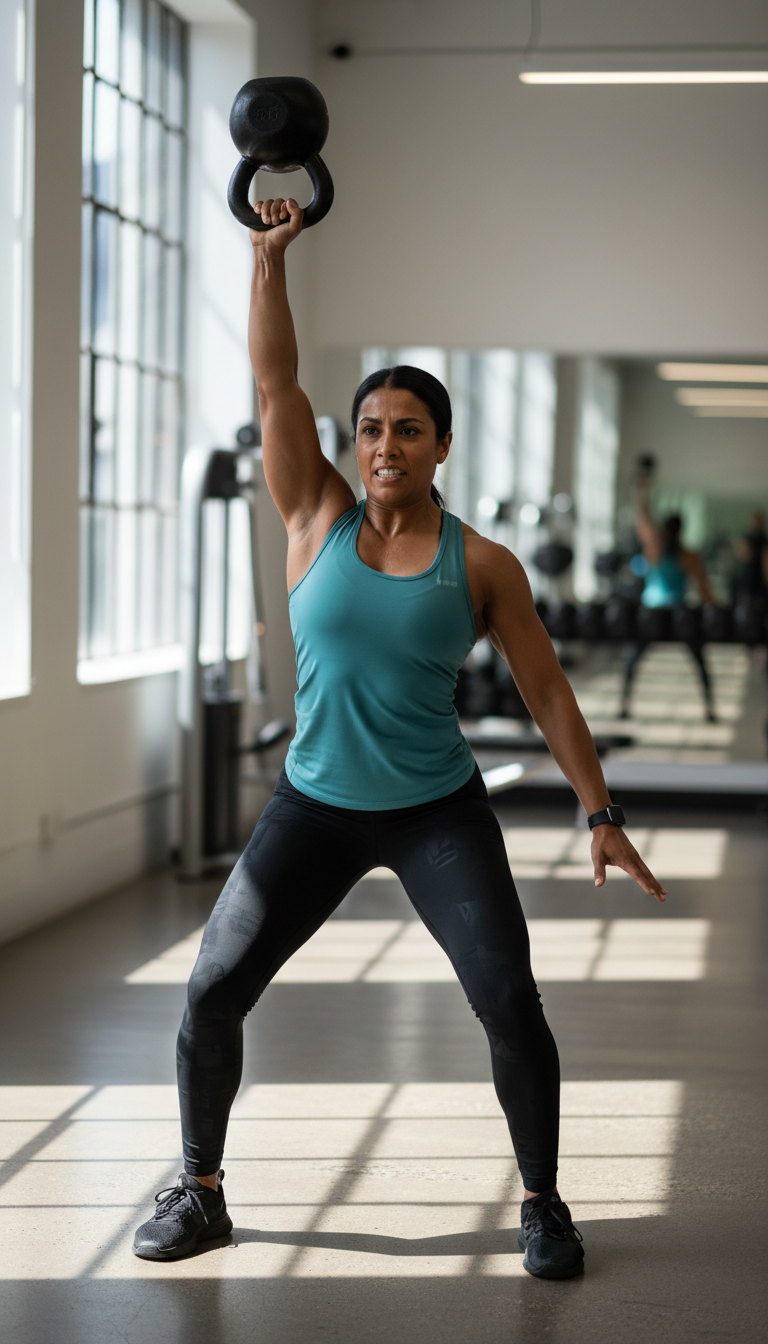
One of the most important factors to consider when choosing a fitness trainer is their qualifications. Look for certifications from reputable organizations such as the American Council on Exercise (ACE) or the National Academy of Sports Medicine (NASM). These certifications ensure that the trainer has the necessary knowledge and skills to guide you safely and effectively.
In addition to certifications, inquire about their educational background and years of experience. A well-qualified trainer will have a strong foundation in exercise science and practical experience in the field.
Assessing Experience and Specializations
Experience is a valuable asset in a fitness trainer. An experienced trainer will have worked with a diverse range of clients and will be better equipped to handle various fitness levels and needs. Ask potential trainers about their past experiences and request client testimonials or references if possible.
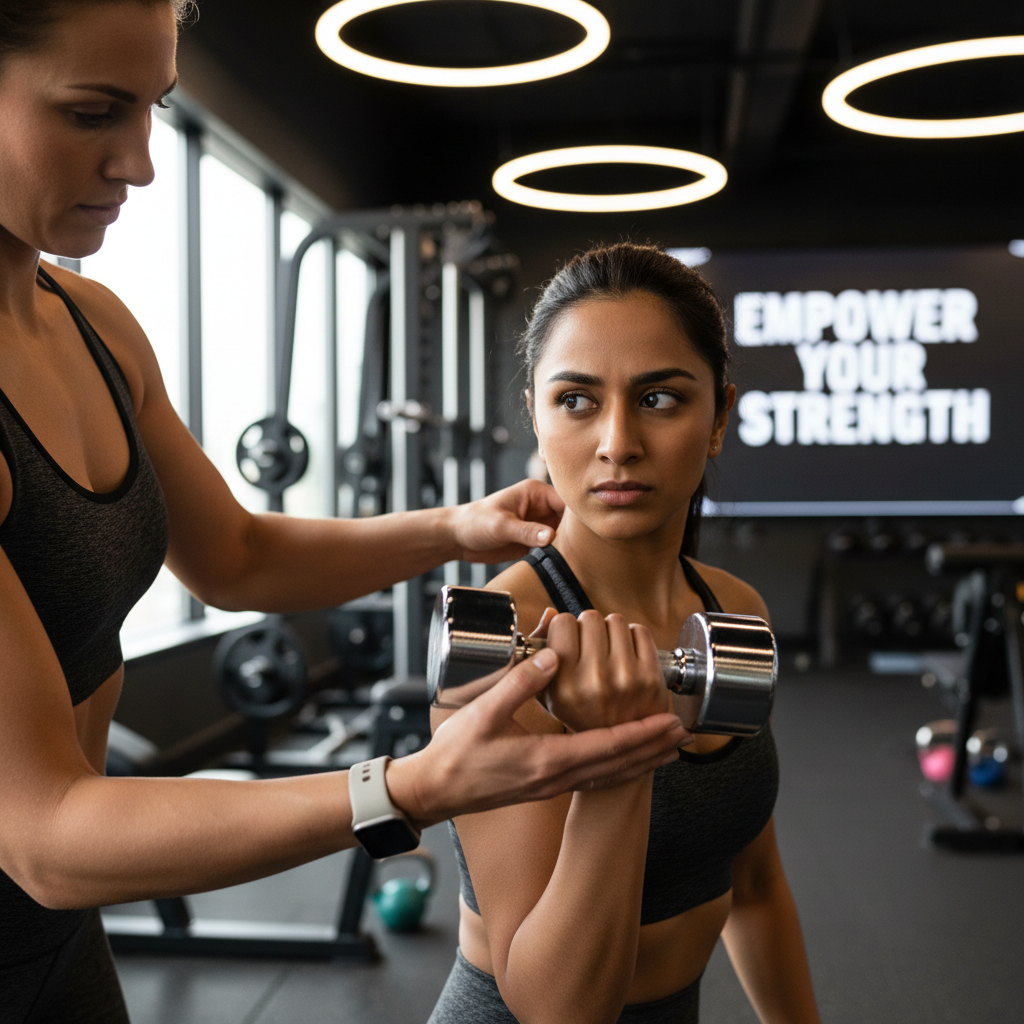
Consider trainers who specialize in your specific goals. For example, if you want to build strength, look for a trainer with a background in strength training. Specializations can provide targeted strategies that align with your objectives.
Evaluating Communication and Compatibility
Effective communication is key to a successful trainer-client relationship. During your initial consultation, pay attention to how well the trainer listens to your goals and concerns. They should be able to explain their training approach clearly and answer your questions confidently.
Compatibility is also important. You need a trainer who motivates and encourages you. Some people thrive with a tough-love approach, while others prefer a more supportive and gentle style. Choose a trainer whose personality and training style match your preferences.

Considering Logistics and Availability
Logistics can play a significant role in your decision-making process. Consider factors such as the trainer's location, availability, and session prices. A trainer who is conveniently located and offers flexible scheduling will make it easier for you to maintain consistency in your workouts.
Additionally, discuss session costs upfront to ensure they fit within your budget. Some trainers offer package deals or group sessions that can make personal training more affordable.
Conclusion
Choosing the right fitness trainer is a crucial step in achieving your health and fitness goals. By understanding your objectives, researching qualifications, assessing experience, evaluating communication, and considering logistics, you can find a trainer who will guide and motivate you on your fitness journey.