
Seasonal Diet Planning: Adapting Your Meals to the Australian Climate


Understanding Seasonal Diet Planning
Seasonal diet planning is an approach to eating that aligns your meals with the natural availability of foods during different times of the year. In Australia, this means adjusting your diet to the distinct seasons of summer, autumn, winter, and spring. By focusing on seasonal produce, you can enjoy fresher, more nutritious meals while supporting local agriculture.
Benefits of Eating Seasonally
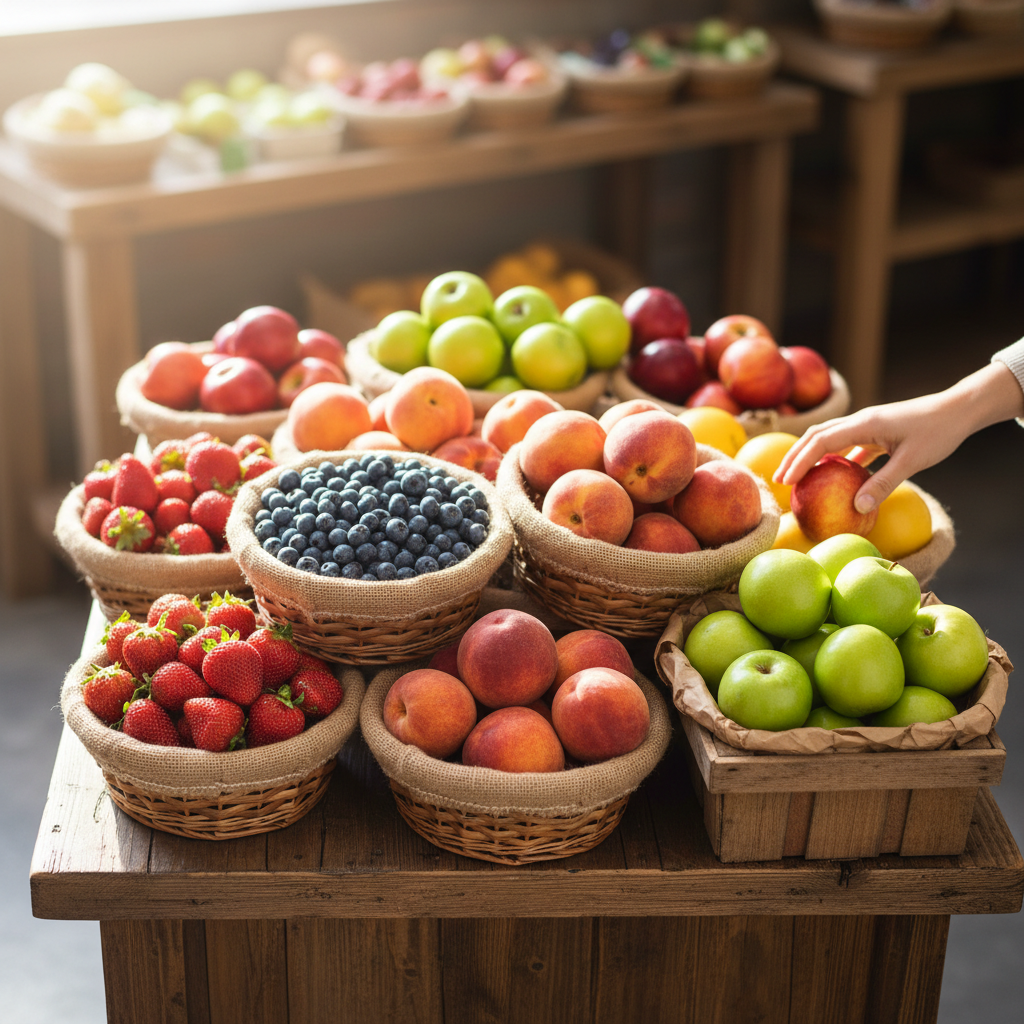
One of the primary benefits of eating seasonally is that it often leads to consuming fresher produce. Fruits and vegetables that are in season are typically harvested at their peak, providing better flavor and higher nutritional value. Additionally, seasonal eating can be more cost-effective, as in-season produce is generally more abundant and therefore less expensive.
Supporting Local Farmers
When you plan your diet based on the seasons, you also support local farmers and reduce the environmental impact of transporting food over long distances. This practice contributes to more sustainable food systems and helps build community resilience.
Summer: Light and Refreshing
In the Australian summer, the focus is on light, refreshing meals that help keep you cool and hydrated. Enjoy an abundance of fruits like mangoes, berries, and watermelon. For vegetables, think salads with cucumbers, tomatoes, and leafy greens. These foods are not only refreshing but also packed with essential vitamins and minerals.

Autumn: Warming and Nourishing
As the weather begins to cool, autumn is the time to incorporate more warming and nourishing foods into your diet. Root vegetables such as pumpkins, sweet potatoes, and carrots become staples. These can be roasted, added to soups, or blended into purées for comforting meals.
Incorporating Grains
Whole grains like quinoa and barley are excellent additions to your autumn diet. They provide a hearty base for many dishes and pair well with the rich flavors of autumn vegetables.

Winter: Hearty and Comforting
During the winter months, focus on hearty meals that provide warmth and sustenance. This is the perfect time for stews, casseroles, and soups made with winter vegetables such as broccoli, spinach, and Brussels sprouts. Citrus fruits like oranges and mandarins are also in season, offering a boost of vitamin C.
Boosting Immunity
Winter is also a good time to incorporate immune-boosting foods. Garlic, ginger, and turmeric can be added to various dishes for added flavor and health benefits.
Spring: Fresh and Vibrant
Spring brings a sense of renewal and is an ideal time to incorporate fresh, vibrant foods into your meals. Asparagus, peas, and radishes are popular spring vegetables, while strawberries and cherries make delicious seasonal treats. These foods are perfect for salads and light dishes that celebrate the season's bounty.
Balancing Your Diet
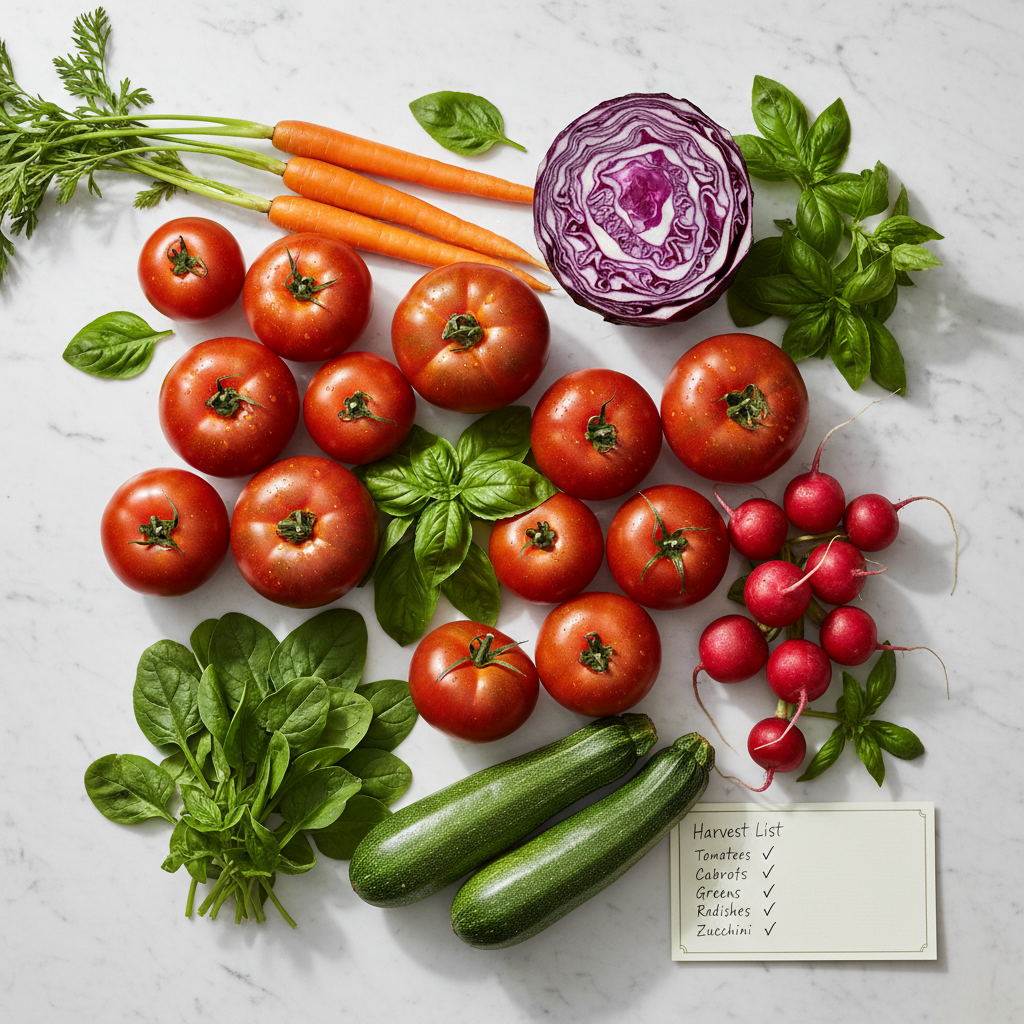
Spring is also an excellent time to focus on balancing your diet with a variety of colors and nutrients. Incorporate a mix of fruits, vegetables, proteins, and grains to create well-rounded meals that support overall health and wellbeing.
By adapting your diet to the Australian climate, you can enjoy the best of what each season has to offer. Not only will you benefit from fresher, more flavorful foods, but you'll also contribute to a more sustainable and connected food system.