
Sustainable Diet Plans for Fitness Enthusiasts: A Guide by Catalina Levitt


Understanding Sustainable Diets
In a world where fitness trends come and go, a sustainable diet plan remains a cornerstone for lasting health and vitality. For fitness enthusiasts, maintaining a balanced diet that supports their active lifestyle is crucial. But what exactly does a sustainable diet entail?
Sustainable diets focus on providing essential nutrients while minimizing environmental impact. These diets prioritize whole foods, plant-based options, and reduced consumption of processed items. By adopting these principles, you're not only boosting your health but also contributing positively to the planet.
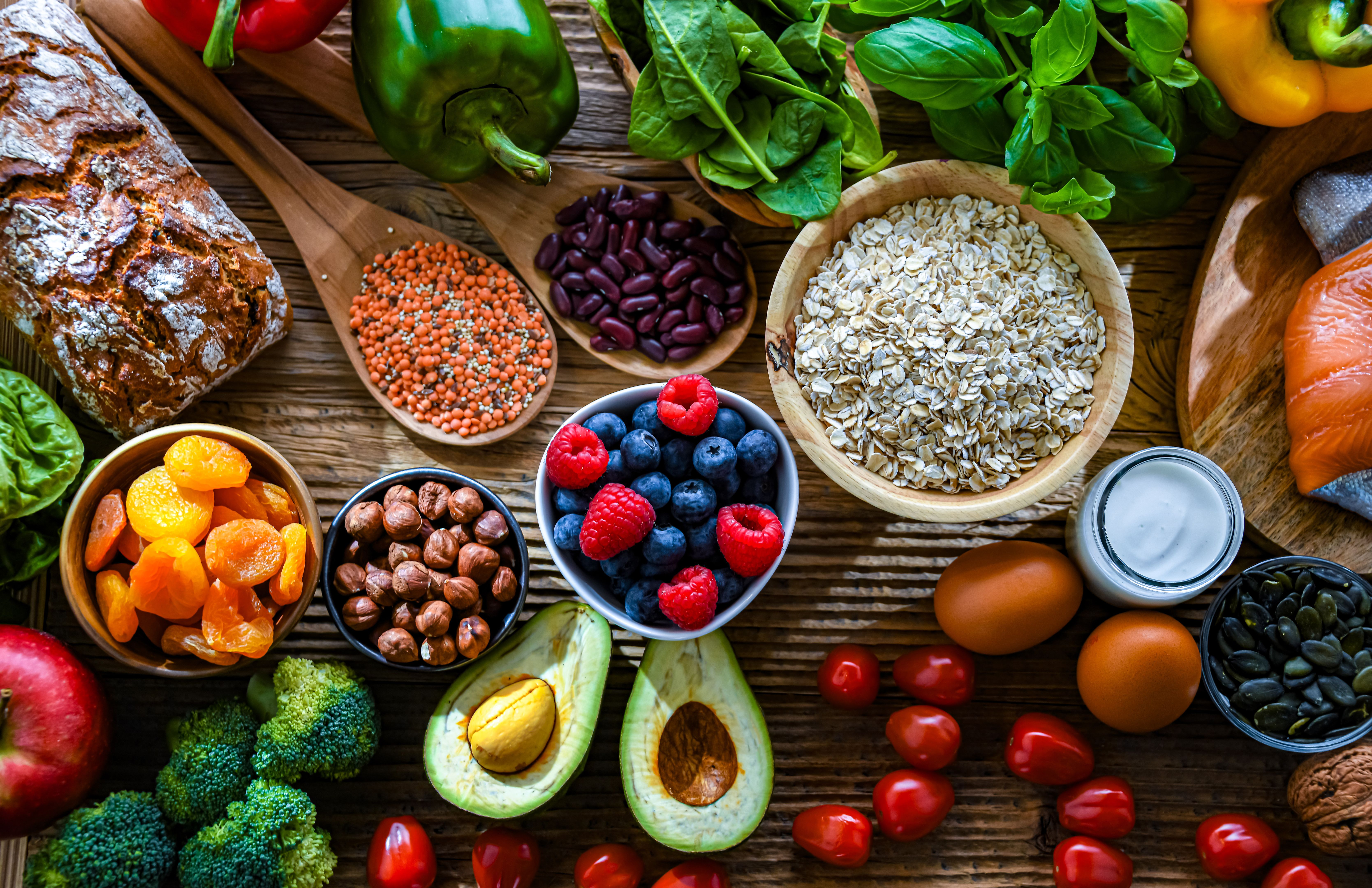
The Importance of Plant-Based Nutrition
Incorporating more plant-based foods into your diet can significantly enhance your fitness journey. Fruits, vegetables, legumes, and whole grains are rich in essential nutrients and help reduce the risk of chronic diseases. They provide ample energy and are more environmentally friendly compared to animal-based products.
Consider starting with a few meatless meals each week. This gradual shift can help your body adjust while you discover new recipes and flavors. Remember, every small change counts!
Balancing Macronutrients
For fitness enthusiasts, balancing macronutrients—carbohydrates, proteins, and fats—is essential. Carbohydrates provide the energy needed for workouts, while proteins are crucial for muscle repair and growth. Healthy fats support brain health and hormone production.
Creating a meal plan that includes a variety of these nutrients ensures your body gets what it needs to perform at its best. Consider consulting with a nutritionist to tailor your diet according to your fitness goals.
Practical Tips for a Sustainable Diet
Adopting a sustainable diet doesn't have to be daunting. Here are some practical tips to get started:
- Plan Your Meals: Planning helps minimize food waste and ensures balanced nutrition.
- Shop Locally: Supporting local farmers reduces your carbon footprint and provides fresher produce.
- Cook More at Home: Home-cooked meals allow you to control ingredients and portion sizes.
Each of these steps can make a significant difference in your health and the environment.
Staying Consistent
Consistency is key when it comes to sustainable diets. It's not about perfection but making conscious choices that align with your fitness goals and values. Set realistic expectations and allow yourself some flexibility.

Joining a community or finding a diet buddy can provide support and motivation. Sharing recipes and experiences makes the journey enjoyable and sustainable.
Conclusion
By embracing a sustainable diet, fitness enthusiasts can enhance their well-being while making a positive impact on the environment. It's a journey that benefits both your health and the planet, one meal at a time. Remember, every choice matters, and even small changes can lead to significant results.